
How to Choose Reliable Busbar Insulators for Electrical Systems?
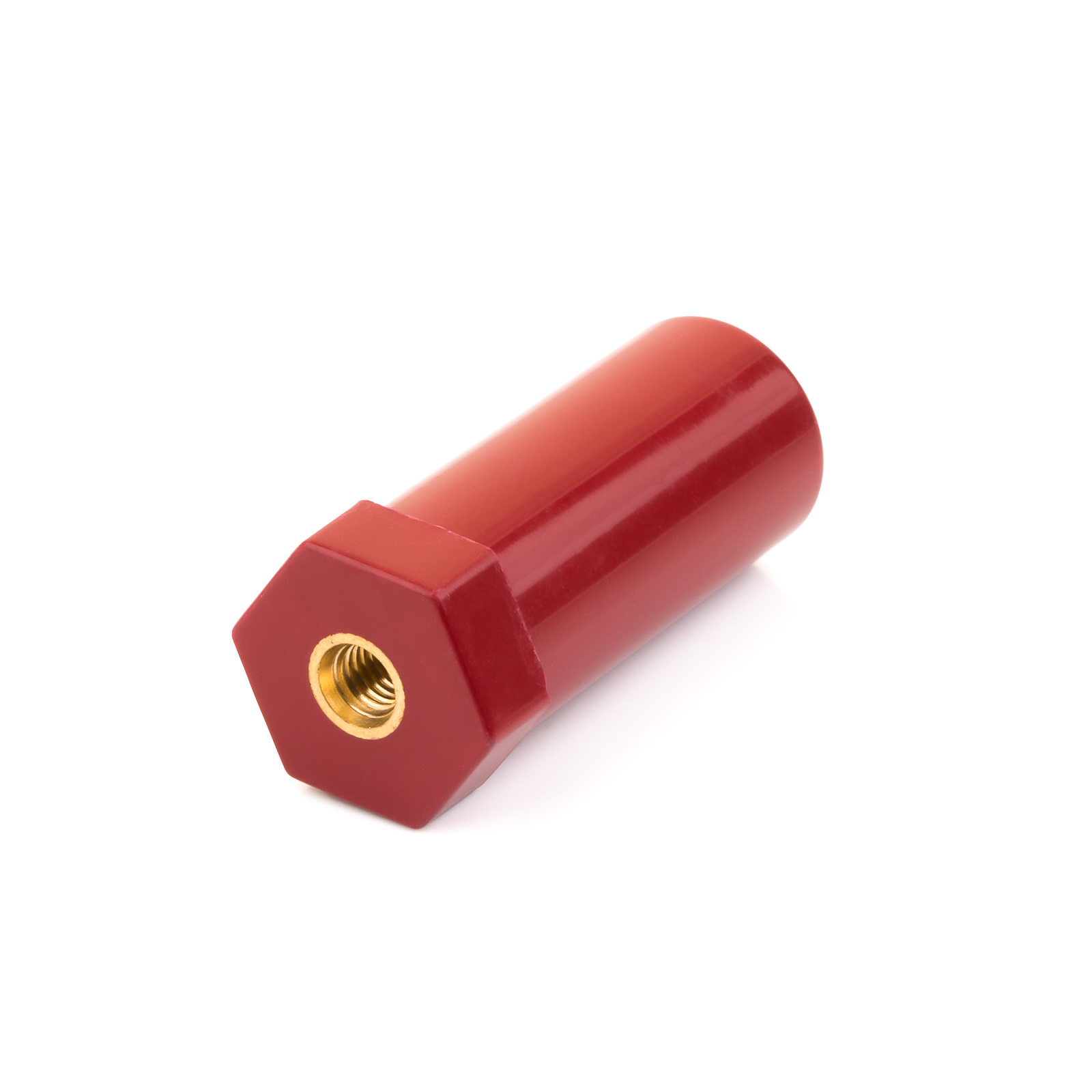
Busbar insulators support electrical distribution systems by separating conductive busbars from mounting structures. Therefore, buyers should assess insulation performance, mechanical strength, materials, and installation requirements. For panel builders and electrical equipment manufacturers, suitable busbar standoff insulators help maintain clearances and support stable assembly. Additionally, material options and OEM services can improve purchasing flexibility.
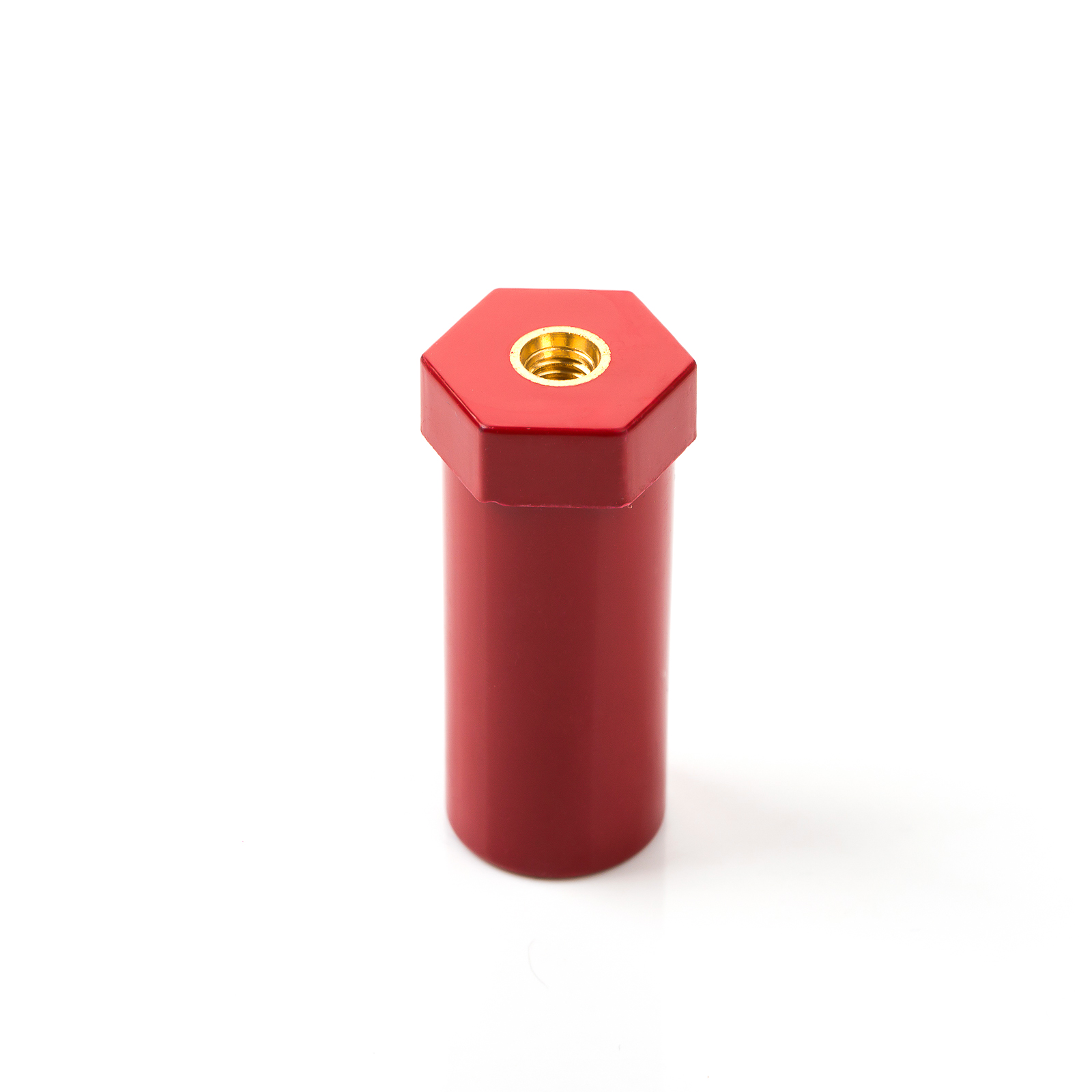
The DJY-39B model offers a compact design for compatible electrical applications. Its specifications provide a useful starting point for technical evaluation and wholesale sourcing.
How Do You Select the Right Voltage Rating?
Voltage requirements vary across switchgear, distribution cabinets, and industrial control panels. Consequently, buyers should match insulator ratings with the complete system design.
Check Rated Voltage and Withstand Voltage
The DJY-39B lists a rated voltage of 1,500 volts. Its specified withstand voltage reaches 5,000 volts. These figures help engineers evaluate suitability for compatible applications.
However, rated voltage and withstand voltage serve different purposes. Therefore, confirm insulation coordination, required clearances, and applicable testing standards before selection.
Which Materials Support Mechanical Strength?
Busbars experience mechanical loads during installation and operation. For example, equipment vibration and electrical forces can place stress on mounting points. Therefore, buyers should assess both material properties and fastening requirements.
Compare PF and BMC Options
The DJY-39B offers PF and BMC material options. Buyers should confirm the selected material’s mechanical, thermal, and electrical properties. In addition, verify suitability for the intended operating environment.
The listed operating temperature ranges from minus 30 to plus 125 degrees Celsius. This range should guide evaluation alongside actual cabinet conditions.
How Can Buyers Check Dimensions and Installation Fit?
Incorrect dimensions can complicate assembly and affect electrical clearances. Therefore, procurement teams should compare drawings with the intended busbar layout.
Verify Thread Size and Mounting Dimensions
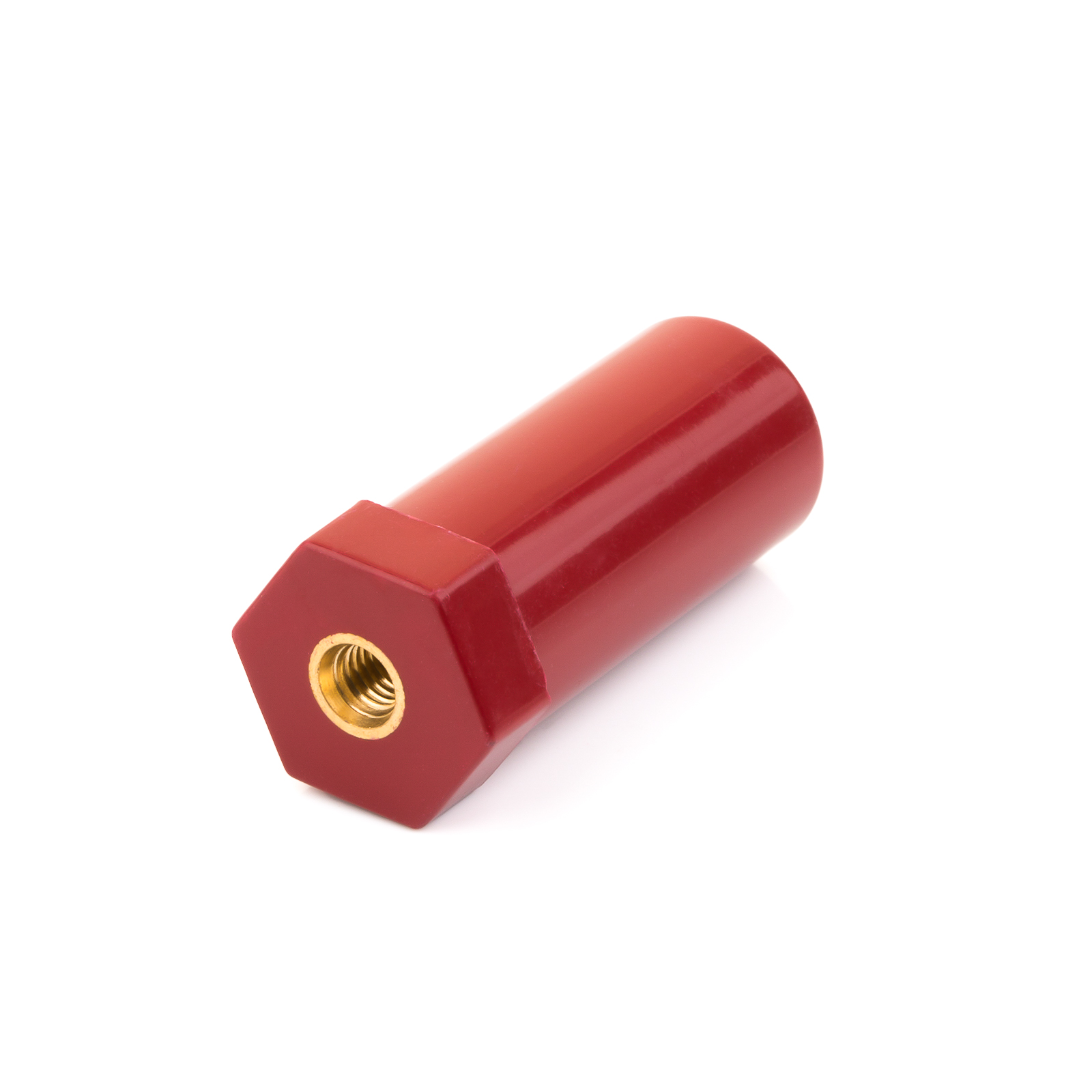
The DJY-39B uses an M6 thread specification. Its listed dimensions are 21 millimeters in diameter, 21 millimeters across the wrench section, and 50 millimeters in height.
These measurements support initial layout planning. However, buyers should confirm thread depth, mounting details, and dimensional tolerances before ordering.
| Parameter | DJY-39B Specification | Buyer Consideration |
|---|---|---|
| Model | DJY-39B | Confirm exact model |
| Thread size | M6 | Match mounting hardware |
| Dimensions | 21 × 21 × 50 millimeters | Verify cabinet clearance |
| Rated voltage | 1,500 volts | Match system requirements |
| Withstand voltage | 5,000 volts | Confirm test requirements |
| Insulation resistance | At least 500 megohms | Check testing criteria |
| Operating temperature | Minus 30 to plus 125 degrees Celsius | Assess operating conditions |
| Material | PF or BMC | Select for application needs |
| Certification | UL and RoHS listed | Request supporting documents |
How Do Certifications and Quality Checks Improve Sourcing?
B2B buyers need consistent specifications across production batches. Therefore, supplier documentation and inspection procedures deserve careful review.
Confirm Electrical and Mechanical Test Records
The product listing identifies UL and RoHS compliance. Buyers should request applicable documentation for the selected model and material. RoHS documentation helps address restrictions on certain hazardous substances.
The supplier also highlights torque, tensile, and bending strength. However, buyers should request numerical test results and test conditions. This information helps engineers assess performance against project requirements.
Explore our Busbar Insulator Product Range for additional options. You can also review our Electrical Insulation Technical Guide when preparing selection criteria.
How Can Wholesale Buyers Balance Quality and Cost?
Unit price matters, but procurement decisions should also consider consistency, customization, and delivery planning. Consequently, buyers should compare complete quotations rather than price alone.
Evaluate OEM Support and Order Requirements
The supplier offers OEM and ODM services. Buyers can discuss material selection, color options, dimensions, and application requirements. Red and black are the listed color choices.
Before placing bulk orders, request samples and confirm inspection standards. Also, clarify minimum order quantities, lead times, packaging, and warranty terms. These steps help purchasing teams manage costs and production schedules.
Reliable busbar insulators start with accurate specifications and suitable material selection. By checking voltage ratings, mechanical requirements, and certification documents, businesses can identify cost-effective solutions for their electrical systems.
Contact the supplier to confirm DJY-39B specifications and discuss wholesale or customized requirements.
About author
