
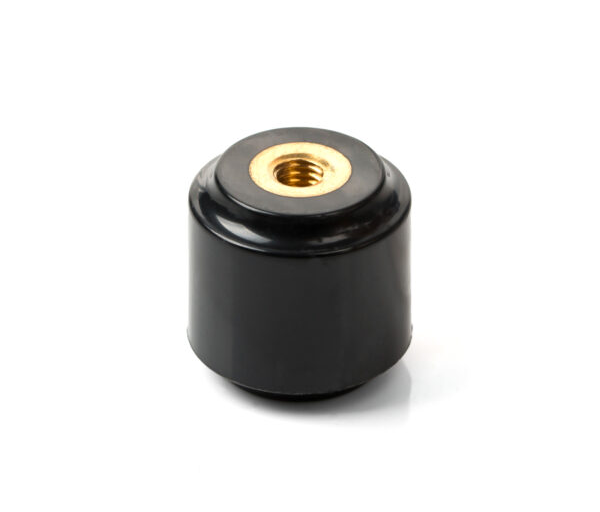
How to Select the Best Busbar Support Insulator Manufacturers for High-Voltage Applications?
When working with high-voltage electrical systems, choosing the right busbar support insulator is critical for ensuring both safety and reliability. The insulator must withstand high electrical stresses while offering the mechanical strength needed for secure and efficient operation. To ensure optimal performance, it’s essential to choose a reliable busbar support insulator manufacturers. In this article, we’ll guide you through the process of selecting the best manufacturer for your high-voltage needs.
Why Busbar Support Insulators Matter
Before diving into the selection process, it’s important to understand why busbar support insulators are vital in high-voltage applications. These insulators help isolate electrical conductors from metal frames or other conductive materials. They play a key role in preventing electrical shorts and protecting equipment from faults or wear over time.
Key Features of Busbar Support Insulators
In high-voltage applications, busbar support insulators need to meet specific requirements. These features include:
-
High Insulation Resistance: Essential for preventing leakage currents that could cause system failure.
-
Mechanical Strength: Must withstand mechanical forces due to vibrations, thermal expansion, and external impacts.
-
Durability: Resistant to environmental factors such as heat, humidity, and UV exposure.
-
Compatibility: Must fit perfectly with other busbar components to ensure a smooth, stable system.

Factors to Consider When Choosing a Busbar Support Insulator Manufacturers
Choosing the right busbar support insulator manufacturers is a decision that requires careful consideration. Below are the key factors to consider when making your choice:
1. Manufacturing Expertise and Experience
A reliable manufacturer should have extensive experience in producing high-voltage insulators. Their track record in delivering durable and efficient products is crucial for your system’s long-term performance. Look for a manufacturer with proven expertise in high-voltage applications, as they are more likely to understand the specific challenges and requirements.
2. Material Quality
High-quality materials are a must for busbar support insulators. The best manufacturers use durable materials such as porcelain, epoxy, or composite materials. These materials ensure the insulators can handle extreme voltages without degrading over time. Ask the manufacturer about the material composition and ensure they comply with industry standards.
3. Customization and Flexibility
Depending on the specifics of your project, you may require customized busbar support insulators. A good manufacturer will be able to provide tailored solutions that meet your unique voltage, mechanical, and environmental needs. They should offer flexibility in design, ensuring that their products integrate seamlessly into your existing electrical systems.
4. Certifications and Industry Standards
Ensure the manufacturer adheres to relevant industry standards. Certifications such as ISO 9001 or compliance with international standards for electrical equipment ensure that the products are safe, effective, and of high quality. This gives you peace of mind that the insulators are reliable and capable of handling the demands of high-voltage systems.
5. Reputation and Customer Reviews
A manufacturer with a strong reputation is more likely to provide high-quality, dependable products. Look for customer testimonials, case studies, and independent reviews to gauge the manufacturer’s reliability. You can also ask for references from other businesses in similar industries.
6. Cost and Value
While price is a factor, it should not be the deciding factor. Focus on getting the best value for your money, considering both the initial cost and the long-term performance of the product. A reliable busbar support insulator manufacturers like Apluspower may offer competitive pricing without compromising quality. Make sure to evaluate the total cost of ownership, including maintenance, durability, and replacement costs.
Benefits of Choosing Apluspower for Your Busbar Support Insulator Needs
High-Quality Manufacturing
At Apluspower, we pride ourselves on delivering premium busbar support insulators that meet the highest industry standards. Our years of experience in manufacturing high-voltage insulators make us a trusted partner in the electrical sector.
Custom Solutions
We understand that each electrical system is unique. That’s why we offer customized busbar support insulators designed to meet your specific needs. Whether you need high insulation resistance, improved mechanical strength, or environmental protection, we can tailor our products to fit your requirements.
Commitment to Safety and Reliability
Safety and reliability are our top priorities. Our products undergo rigorous testing to ensure they can withstand extreme conditions and continue performing reliably over time. With Apluspower, you get peace of mind knowing your high-voltage systems are secure.
Conclusion
Selecting the best busbar support insulator manufacturers is essential for ensuring the reliability and safety of your high-voltage applications. By considering the manufacturer’s experience, product quality, certifications, and flexibility, you can make an informed decision. Apluspower is here to help with all your busbar support insulator needs, providing high-quality, durable, and customized solutions to meet the demands of your electrical systems.
FAQ
1. What materials are used in high-voltage busbar support insulators?
High-voltage busbar support insulators are typically made from materials like porcelain, epoxy resin, and composite materials, which provide high insulation resistance and mechanical strength.
2. How do I know if a busbar support insulator is suitable for my application?
Ensure the insulator meets industry standards, is compatible with your system’s voltage and mechanical requirements, and offers the durability necessary for long-term use.
3. Can I get customized busbar support insulators?
Yes, many manufacturers, including Apluspower, offer custom solutions designed to meet the specific needs of your high-voltage applications.
About author
