
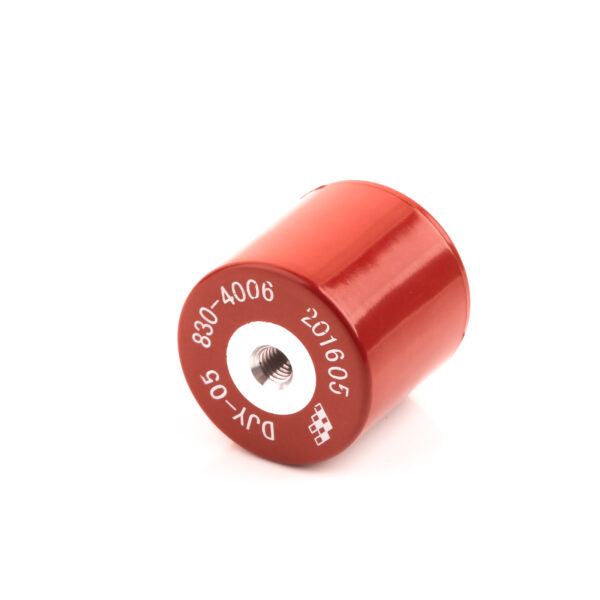
How to Identify a High-Quality BMC Electrical Insulator from Cheap Grade Materials?
Electrical safety depends on the quality of your components. A BMC Electrical Insulator plays a vital role in power distribution. Bulk Molding Compound (BMC) offers excellent thermal and mechanical properties. However, not all BMC materials are equal in the market.
Many suppliers offer cheap-grade alternatives to lower their costs. These inferior products often lead to catastrophic electrical failures. Consequently, engineers must know how to spot the difference quickly. Choosing the right material ensures long-term reliability for your project.
This guide provides practical steps to verify insulator quality. We will compare high-grade BMC against low-cost, dangerous substitutes. Protect your infrastructure by mastering these identification techniques today.
What Makes BMC a Superior Choice?
BMC is a thermoset plastic resin mixed with glass fibers. This combination creates a material that resists intense heat. It also provides incredible structural strength under high electrical loads.
The Role of Glass Fiber Reinforcement
High-quality BMC contains a high percentage of glass fibers. These fibers provide the mechanical “backbone” of the insulator. Cheap versions often reduce fiber content to save money. This makes the insulator brittle and prone to cracking.
Thermal Stability and Flame Retardancy
A premium BMC Electrical Insulator must be self-extinguishing. It should withstand high temperatures without losing its shape. Inferior grades might melt or release toxic fumes during a fire.
5 Key Indicators of High-Quality BMC Insulators
You can identify quality through physical inspection and testing. Look for these five markers during your next procurement.
1. Surface Finish and Uniformity
Inspect the surface of the insulator under a bright light. High-quality BMC has a smooth, consistent, and glossy finish. You should not see any air bubbles or “pits” on the surface. Pits often indicate poor compression during the molding process.
2. Weight and Density Test
Cheap materials often use light fillers like calcium carbonate. A quality BMC Electrical Insulator feels heavy for its size. If an insulator feels surprisingly light, it likely lacks glass reinforcement. Always compare the weight against the manufacturer’s datasheet.
3. Precision of Dimensions
High-grade insulators follow strict tolerances for size and shape. Check the mounting holes and thread accuracy with a caliper. Quality molds produce parts that fit perfectly every single time. Conversely, cheap parts often show “flash” or rough edges.
4. Color Consistency
Deep, uniform color suggests a well-mixed resin batch. Streaks or patches indicate poor blending of pigments and stabilizers. This inconsistency can lead to weak spots in the electrical insulation.
5. Arc Resistance Capability
Quality BMC must resist “tracking” or electrical arc paths. This is vital for high-voltage applications in outdoor environments. Ask your supplier for the Comparative Tracking Index (CTI) rating. A higher CTI number indicates better safety and performance.
Comparing Quality Levels: A Quick Example
Imagine you are inspecting two different 10kV insulators.
The first one, a premium BMC Electrical Insulator, has a 30% glass content. It survives a drop test on concrete without any chips. Its surface remains cool even under a high-current load.
The second one is a “budget” version from an unverified source. It looks dull and has small cracks near the threads. During a stress test, it snaps under 50% of the rated load. This failure could cause a massive power outage or fire.
In this case, the small initial saving leads to a huge loss. Choosing quality prevents these expensive and dangerous scenarios.
Essential Tests for Professional Verification
If visual inspection is not enough, perform these laboratory tests.
-
Dielectric Strength Test: Measures the maximum voltage the material can handle.
-
Flexural Strength Test: Checks how much bending force causes a break.
-
Water Absorption Test: High-quality BMC should absorb almost zero water.
-
Flammability (UL94 V-0): Confirms the material stops burning within seconds.

Why Cheap Materials Are a Liability
Buying low-grade insulators is a major risk for any firm. These products often fail prematurely due to environmental stress.
Increased Maintenance Costs
Cheap insulators require frequent replacements and constant monitoring. This increases the labor costs for your maintenance teams. Au fil du temps, you spend much more than the cost of a premium part.
Safety Hazards and Legal Risks
A failing insulator can cause explosions or electrocution. If an investigation finds “cheap-grade” parts, you face legal trouble. Using certified BMC Electrical Insulator units protects your legal reputation.
Strategic Tips for Buyers
First, always request a Material Safety Data Sheet (MSDS). This document lists the exact chemical composition of the BMC. Second, check for international certifications like UL, CE, or ISO.
Third, visit the manufacturer’s facility if possible. A clean, modern factory usually produces higher-quality goods. Finally, never choose a supplier based on the lowest price alone. Value the long-term performance of the material over the initial cost.
Conclusion
Identifying a high-quality Electrical Insulator requires a keen eye. You must look beyond the price tag to the physical properties. Focus on fiber content, surface finish, and thermal ratings.
Cheap materials save money today but cause disasters tomorrow. High-quality BMC provides the peace of mind that engineers need. It ensures that your electrical systems remain safe and productive.
Invest in quality components to build a more reliable future. Your clients and your bottom line will surely appreciate it.
À propos de l'auteur
