
How to Choose the Right Drawer Connector for Power Systems?
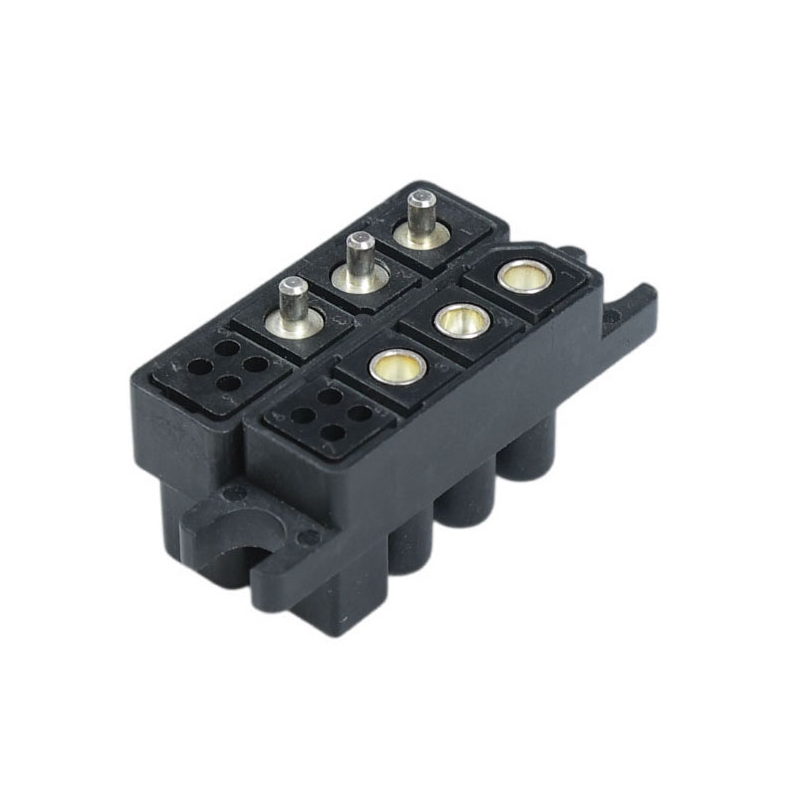
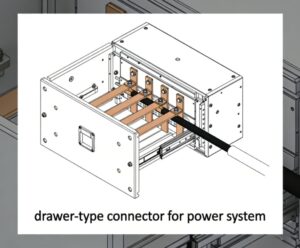
Modern electrical infrastructure relies heavily on modularity and rapid maintenance capabilities. Par conséquent, engineers must select components that allow for quick equipment swaps without compromising safety. One critical component in this architecture is the drawer connector for power systems. These specialized interfaces enable “hot-swapping” or easy removal of power modules from a main rack.
Cependant, selecting the wrong connector can lead to arcing, overheating, or total system failure. You must balance electrical performance with mechanical durability to ensure a long service life. En outre, precision alignment is essential for high-voltage environments. Dans ce guide, we explore the essential criteria for choosing these vital components. Let us discover how to secure your power distribution network with confidence!
1. Understanding the Role of Drawer Connectors
In a power rack, “drawers” contain sensitive electronic modules or power supplies. These units must slide in and out of a chassis frequently.
Providing High-Current Stability
A high-quality drawer connector for power systems handles significant electrical loads. It must maintain a low-resistance path even under continuous operation. If the resistance is too high, the connector will generate excessive heat. This heat can damage surrounding components or melt the housing. Donc, you must verify the rated current and voltage for every specific model.
Enabling Blind-Mating Functionality
Operators cannot always see the back of a power rack during installation. Par conséquent, these connectors often feature “blind-mate” designs. These include lead-in chamfers or alignment pins that guide the plug into the socket. This feature prevents pin damage and ensures a perfect electrical connection every time.
2. Key Electrical Specifications to Evaluate
You cannot ignore the technical data when dealing with high-voltage power distribution. Professional engineers focus on three primary electrical factors.
1. Current Density and Contact Resistance
Look for connectors with silver or gold-plated contacts. These materials provide the best conductivity and resist oxidation over time. En outre, check the “derating curve” provided by the manufacturer. This graph shows how much current the connector can safely carry at different ambient temperatures.
2. Dielectric Withstanding Voltage
The insulation must prevent electricity from leaping between adjacent pins. This is especially vital in compact high-current modular connectors. Ensure the spacing between contacts meets your industry’s safety standards. High dielectric strength ensures the system remains safe during unexpected voltage spikes.
3. Thermal Management Capabilities
Power connectors generate heat whenever current flows through them. Donc, the housing material must have a high thermal deflection temperature. Modern thermoplastic resins can withstand intense heat without deforming. This stability keeps the contacts aligned and prevents accidental disconnects.
3. Mechanical Durability and Life Cycles
Power systems often stay in service for decades. Par conséquent, your drawer connector for power systems must survive hundreds of mating cycles.
-
Mating Force: The connector should slide together smoothly without requiring excessive force.
-
Wiping Action: A good contact design “wipes” away surface oxidation during every insertion.
-
Floating Mounts: Some connectors use “floating” shells to compensate for mechanical misalignments.
-
Retention Mechanisms: Ensure the connector has a secure locking system to prevent vibration-induced decoupling.
By focusing on these mechanical traits, you reduce the risk of intermittent signals. Reliable mechanics are just as important as electrical performance in industrial settings.
4. Environmental Resistance and Material Choice
Industrial environments are often harsh and unpredictable. Your connectors may face dust, humidité, or chemical exposure during their lifespan.
Ingress Protection (IP) Ratings
If your power system operates in a factory, look for high IP ratings. An IP67 rating ensures that dust and water cannot enter the connection point. This protection prevents internal corrosion and electrical shorts. Most high-end reliable electrical drawer interfaces offer some level of environmental sealing.
Corrosion-Resistant Platings
In coastal areas, salt air can quickly destroy copper contacts. Donc, you should specify thick nickel or tin underplating. These layers act as a barrier against atmospheric corrosion. They ensure the connector remains functional even in high-humidity environments.

5. Standard contre. Heavy-Duty Drawer Connectors
| Fonctionnalité | Standard Modular Connector | Connecteur de tiroir pour systèmes d'alimentation |
| Current Rating | Up to 15A | 50A to 500A+ |
| Alignment | Manual Only | Blind-Mate / Self-Aligning |
| Durability | ~50 Cycles | 500+ Mating Cycles |
| Mounting | Fixed / Panel Mount | Floating / Rack Mount |
| Safety Features | Basic Insulation | Arc-Prevention / Grounding First |
Verifying UL and TUV Certifications
Reliable manufacturers always test their products through third-party laboratories. Look for the UL (Underwriters Laboratories) or CE marks on the connector housing. These labels prove the device meets global fire and electrical safety standards. Using uncertified components can invalidate your system’s insurance and endanger operators.
Reviewing Technical Documentation
Expertise is demonstrated through detailed data sheets. A trustworthy drawer connector for power systems supplier provides CAD models and material reports. They should also offer white papers on contact reliability and heat rise. This transparency allows you to integrate the component into your system with total precision.
7. Common Installation Mistakes to Avoid
Even the best connector will fail if you install it incorrectly. You should follow these professional tips to ensure a perfect fit.
-
Avoid Over-Tightening: Excessive torque on mounting screws can crack the plastic housing.
-
Check for Proper Grounding: Always ensure the “ground-first” pin is longer than the power pins.
-
Monitor Cable Strain: Use cable clamps to prevent the wires from pulling on the connector terminals.
-
Keep Contacts Clean: Never touch the contact surfaces with oily fingers during installation.
By avoiding these errors, you maximize the lifespan of your high-current modular connectors. Un propre, stress-free installation is the key to long-term reliability.

Powering Your Success with the Right Connection
Selecting a drawer connector for power systems is a fundamental engineering decision. It affects the safety, maintenance, and efficiency of your entire electrical rack. By focusing on current density, mechanical alignment, and material quality, you ensure a robust system.
The digital future demands higher power in smaller spaces. Par conséquent, you need connectors that can keep up with these evolving requirements. Invest in high-quality, certified hardware to protect your valuable electronic assets. Start your selection process today and build a power system that stands the test of time!

À propos de l'auteur
