

How Do You Choose the Right Switched Mode Power Supply for Telecom Applications?
Choosing a switched mode power supply is essential for telecom infrastructure. It affects power conversion, equipment integration, and maintenance planning. Telecom operators need stable DC power for remote stations. Therefore, they should assess input conditions, output requirements, and expansion options.
Consider a remote telecom station in a rural area. It may operate without frequent on-site maintenance. Meanwhile, its power demand can change as networks expand. A suitable telecom power supply should support practical operation and future planning.
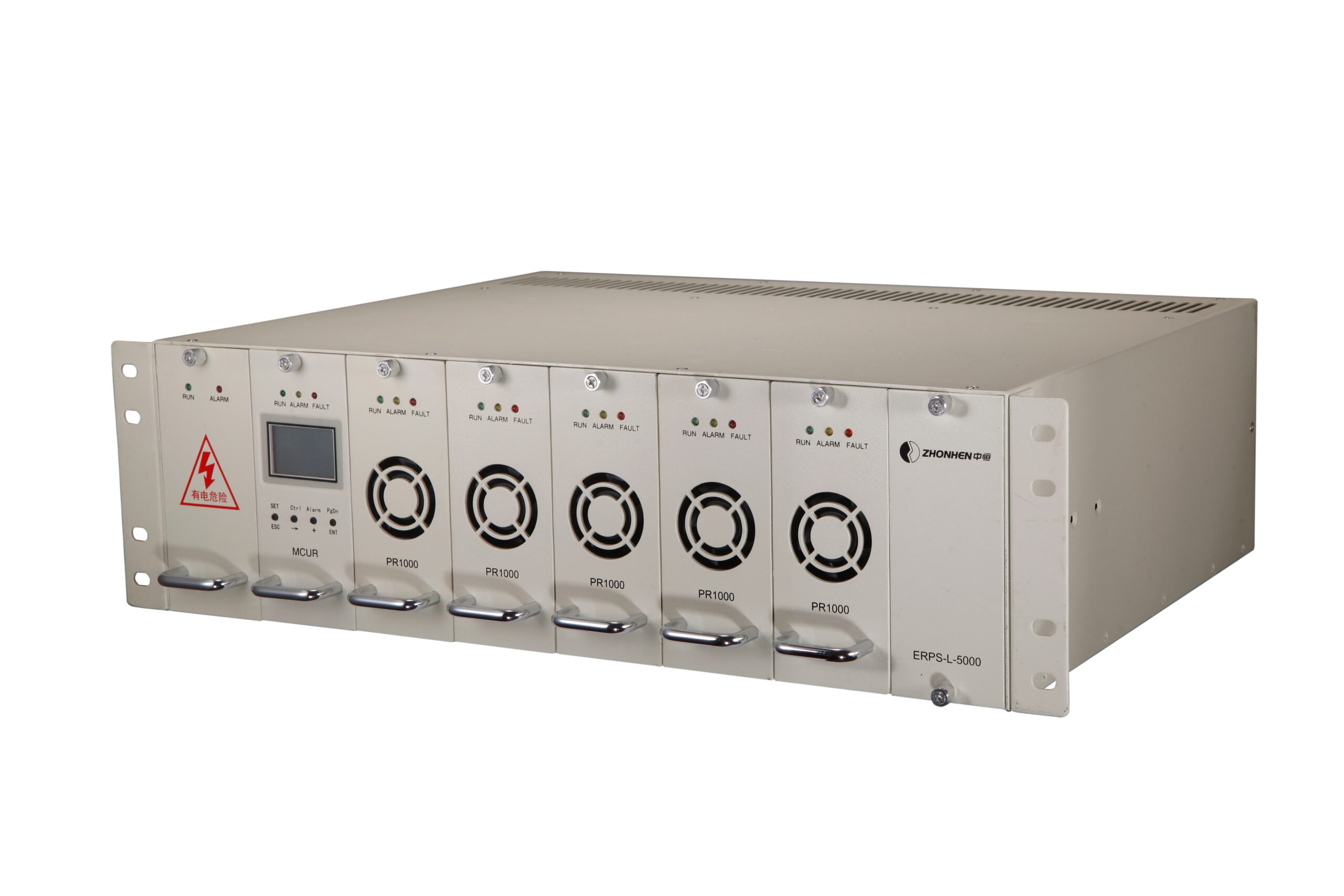
Apluspower’s SY012 offers a modular remote power solution. Its design combines rectifier modules, monitoring, and output lightning protection.
How Do You Match DC Input to Telecom Site Conditions?
Telecom stations often use DC power infrastructure. Therefore, the input range must match the site’s available supply.
For example, a remote base station may receive power from a DC system. Engineers must confirm voltage variation during normal operation.
Check the DC input range
The SY012 supports input from 40 volts to 57.5 volts DC. This range helps engineers assess compatibility with telecom DC systems.
Its output voltage adjusts from 250 volts to 380 volts DC. This adjustable range supports different downstream power configurations.
However, system designers should confirm equipment requirements first. They should also check cable capacity and protection coordination.
How Much Capacity Does a Remote Telecom Station Need?
Power demand depends on installed equipment and network configuration. A small station may need a different arrangement. A larger site may require additional rectifier capacity.
For this reason, buyers should consider modular expansion. They should also assess load distribution and future demand.
Use modular rectifier capacity
The SY012 system supports up to five rectifier modules. Each module can deliver a maximum of 1,000 watts.
Together, the configured system can provide up to 5,000 watts. The modules also support current sharing.
This arrangement gives operators configuration flexibility. They can select a suitable module quantity for their project.
Moreover, systems can operate in parallel for expansion. Engineers should confirm the permitted configuration and total system limits.
For other configurations, explore our telecom power supply product range.
Can Monitoring Improve Remote Power Management?
Remote telecom stations may sit far from service teams. Consequently, operators need practical ways to monitor power conditions.
For example, a station may serve a highway or remote industrial site. Regular manual inspection may require additional travel.
Consider monitoring and metering functions
The SY012 includes a monitoring module. Its system design also supports an optional input Hall current sampling module.
This optional module can provide power metering functionality. Therefore, buyers can evaluate whether metering suits their management needs.
However, monitoring functions depend on the selected configuration. Buyers should confirm available interfaces and supported data.
They should also check how the system connects with existing management platforms.
What Protection Features Matter in Telecom Power Systems?
Telecom equipment requires careful electrical protection planning. Remote sites may also face lightning-related electrical disturbances.
Therefore, buyers should examine the system’s protection architecture. They should consider both power conversion and output-side protection.
Review output protection and electrical performance
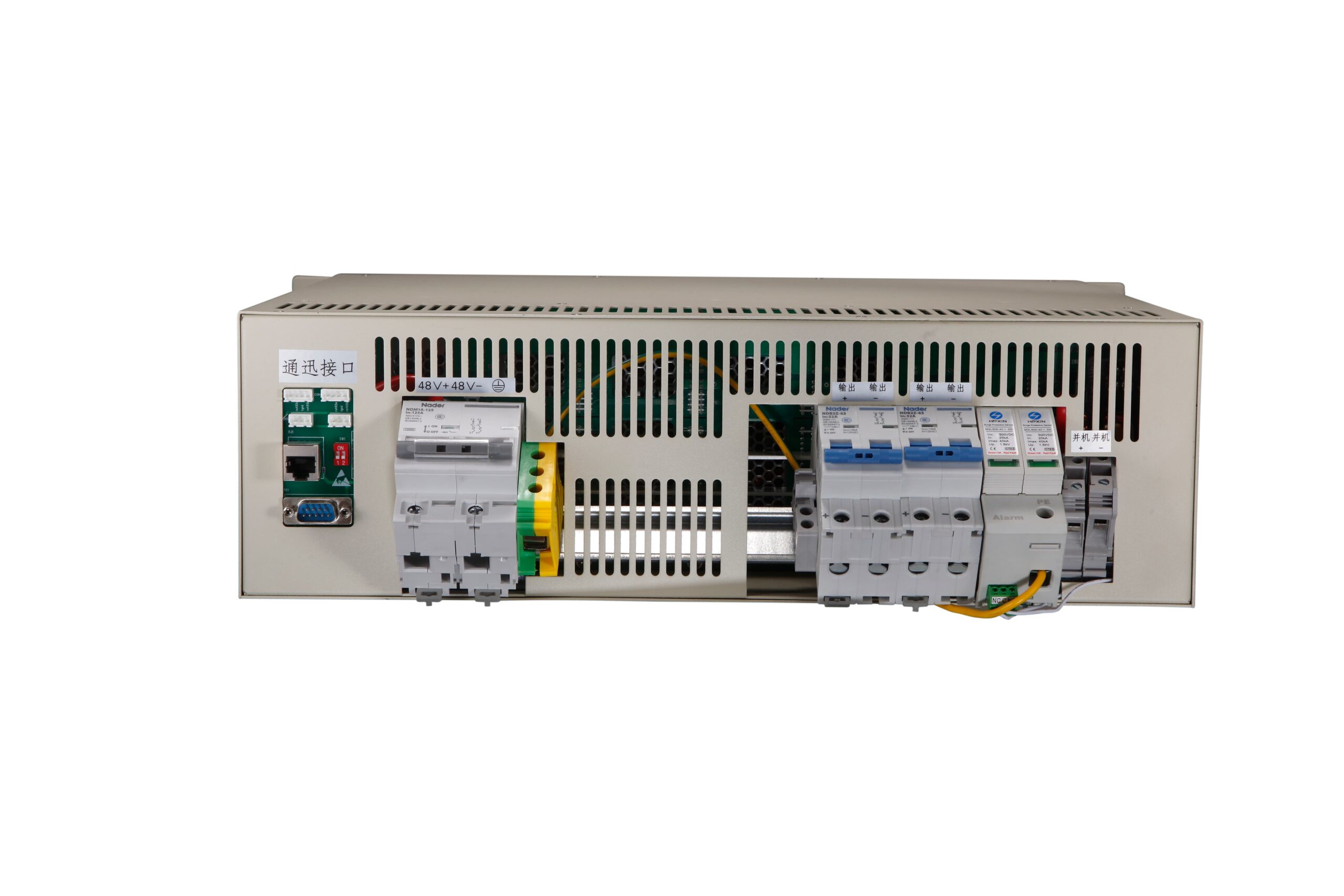
The SY012 includes an output lightning protection module. Its voltage regulation accuracy is specified at ±1%.
Output ripple and noise are specified at 200 millivolts peak-to-peak or less. These figures help engineers assess electrical compatibility.
Still, the complete installation needs coordinated protection. Site grounding, cable routing, and external surge protection also matter.
Engineers should follow applicable electrical standards and site requirements.
For additional selection guidance, visit our technical guide library.
How Can Buyers Balance Quality, Cost, and Expansion?
For telecom equipment distributors and project contractors, purchase price matters. However, long-term value also depends on configuration and service needs.
A modular system can help align capacity with project demand. It may also support later expansion without redesigning every power component.
Evaluate the complete system configuration
The SY012 combines four main parts. These include the system frame, power modules, monitoring module, and output lightning protection module.
This integrated structure gives buyers a clear system architecture. It also helps project teams review installation and maintenance requirements.
Founded in 2009, Apluspower operates in Shenzhen, China. The company manufactures high-power supplies, drawer connectors, and busbar insulators.
It provides products with UL, TUV, and CE certifications. It also supports OEM and ODM services.
Its products serve customers in China and overseas markets. Export destinations include Italy, Germany, Canada, the United States, and India.
The SY012 demonstrates Apluspower’s modular power design capability. It combines adjustable output, current sharing, monitoring, and expansion options.
For B2B buyers, these functions support project-based selection. They can discuss capacity, configuration, and customization before ordering.
SY012 specification and configuration overview
| Item | SY012 / ERPS-L-5000 information |
|---|---|
| System type | DC input remote power supply system |
| Maximum system output power | 5,000 watts |
| DC input voltage | 40–57.5 volts |
| Adjustable DC output voltage | 250–380 volts |
| Maximum output current | 20 amperes |
| Voltage regulation accuracy | ±1% |
| Output ripple and noise | ≤200 millivolts peak-to-peak |
| Rectifier module capacity | Up to 1,000 watts per module |
| Maximum module quantity | Five modules per system |
| Module function | Current sharing |
| System architecture | Frame, power modules, monitoring, output lightning protection |
| Expansion | Parallel system configuration |
| Optional function | Input Hall current sampling for power metering |
Note: Confirm the exact model designation and configuration before ordering. Certification requirements should also be checked against current model-specific documents.
Make a Practical Choice for Telecom Power Projects
A suitable switched mode power supply should match site conditions and equipment demand. Buyers should review input compatibility, output voltage, protection, and expansion plans.
The Apluspower SY012 offers up to 5,000 watts of system output. Its modular structure supports flexible configuration and parallel expansion.
Furthermore, monitoring and optional metering support project management needs. These features help B2B buyers assess overall system value.
Contact Apluspower to discuss telecom power requirements, bulk orders, or OEM and ODM services.
Q&A: Common Questions About Telecom Power Supplies
Q1: What input voltage does the SY012 support?
It supports 40 to 57.5 volts DC input. Confirm compatibility with the site’s DC supply.
Q2: Can the system output voltage be adjusted?
Yes. Its output voltage adjusts from 250 to 380 volts DC.
Q3: Can buyers expand the system later?
The system supports up to five rectifier modules. Multiple systems can also operate in parallel.
Q4: Does the SY012 support remote power monitoring?
It includes a monitoring module. Buyers should confirm interfaces and monitoring functions for their required configuration.
Q5: Does Apluspower support OEM and ODM orders?
Yes. Apluspower supports OEM and ODM services. Buyers can discuss project requirements and configuration options with its team.
About author
